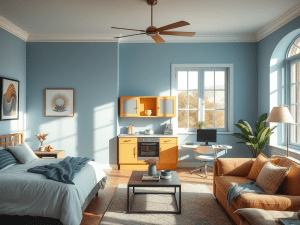
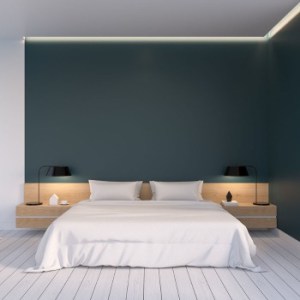
When planning interior painting projects, most Tyler homeowners focus intently on wall colors while giving ceiling color minimal consideration. The default assumption—paint it white and move on—misses an opportunity to use ceiling color strategically to enhance your space. Understanding when to match ceiling color to walls, when to use white, and when to try alternative approaches helps you make decisions that improve how your rooms look and feel.
The Traditional White Ceiling Default
White ceilings became the American standard for good reasons that remain valid in many situations. White reflects maximum light, helping brighten rooms regardless of wall color. White provides clean, crisp contrast against colored walls, creating definition that many people find aesthetically pleasing. White doesn’t compete with wall colors or décor, allowing these elements to take center stage. In Tyler homes with standard 8-foot ceilings and traditional architecture, white ceilings maintain classic proportions and conventional good taste that appeals to broad audiences—important for resale value. White also offers practical advantages: ceiling imperfections show less in flat white paint than in colors, ceiling repairs blend invisibly into white paint, and changing wall colors doesn’t require repainting white ceilings. For homeowners who prefer safe, traditional choices that work with any décor, white ceilings remain perfectly appropriate and will never appear dated or questionable.
When Matching Ceiling to Walls Makes Sense
Painting ceilings the same color as walls creates dramatically different effects that work beautifully in specific situations. Monochromatic color schemes eliminate the visual boundary between walls and ceiling, making the eye travel continuously upward without stopping point. This technique makes standard-height ceilings appear higher and rooms feel more voluminous—particularly valuable in Tyler homes with 8-foot ceilings. In small rooms like powder bathrooms, closets, or laundries, matching ceiling to wall color expands perceived space by eliminating visual breaks. Dark, moody rooms intentionally painted in rich colors (navy, charcoal, deep green) benefit from colored ceilings that create enveloping, jewel-box atmospheres—white ceilings would interrupt the intended drama. Rooms with extensive ceiling detail (coffered ceilings, beams, architectural interest) sometimes look better when painted to match walls, preventing the ceiling from becoming visually overwhelming. For contemporary or minimalist design aesthetics, monochromatic color schemes create clean, sophisticated spaces that feel larger and more cohesive than traditional white-ceiling approaches.
The Lighter Shade Strategy
A compromise between matching ceiling exactly to walls and using pure white involves painting ceilings a lighter shade of the wall color. This approach maintains some color continuity while providing subtle definition and vertical visual flow. If walls are painted medium gray, painting the ceiling a pale, barely-there gray creates gentle transition rather than stark white contrast. This technique works particularly well with cooler colors (blues, grays, greens) where a very light version of the wall color on the ceiling enhances the color story without overwhelming the space. Many paint manufacturers offer coordinated color collections with suggested ceiling shades for each wall color. For Tyler homeowners who like the idea of colored ceilings but worry about the commitment of full color match, the lighter shade approach offers testing ground. The subtle color on ceilings provides visual interest while maintaining much of white’s light-reflective benefit.
Low Ceiling Solutions
Tyler homes built in various decades feature different ceiling heights, and older or more affordable homes often have standard 8-foot ceilings that can feel low. Ceiling color selection becomes crucial for making these spaces feel less compressed. Painting 8-foot ceilings the same light color as walls eliminates the boundary that emphasizes low ceiling height, allowing the eye to travel upward without stopping point. Alternatively, painting the ceiling an even lighter shade than walls or using pale, receding colors (soft blue, very pale gray) creates the optical illusion of height. What doesn’t work with low ceilings: stark white ceilings against darker walls create an obvious horizontal line that emphasizes exactly where your ceiling begins, making the low height more apparent. For rooms where ceiling height is already a concern, avoid high-contrast ceiling colors that draw attention to the problem rather than minimize it.
High Ceiling Considerations
Homes with ceilings higher than standard 8 feet face different concerns. Very tall ceilings (10-12+ feet) can make rooms feel cavernous rather than cozy, and white ceilings emphasize this vertical expanse. Painting high ceilings in slightly darker shades than walls—or even the same color as walls—brings the ceiling “down” visually, creating more intimate, proportional spaces. In two-story great rooms or foyers with soaring ceilings, painting the upper wall and ceiling areas a darker shade than lower walls helps ground the space and prevent that echo-chamber feeling. This approach requires careful color transition planning so the change doesn’t appear random or awkward. For Tyler homeowners with high ceilings who feel their rooms lack coziness despite generous space, ceiling color provides powerful tool for adjusting perceived proportions.
Architectural Detail and Crown Molding
Crown molding and architectural trim create transition zones between walls and ceilings that influence color decisions. Traditional approach paints crown molding white along with ceiling, creating continuous white trim that defines the room. However, painting crown the wall color rather than ceiling color creates different proportions—the walls appear to extend higher, making ceilings seem taller. This technique works particularly well in rooms with low ceilings where you want to maximize perceived height. In rooms without crown molding, the decision to match or contrast ceiling color becomes more straightforward, though the absence of transition molding makes stark color contrasts more abrupt and potentially jarring. If you’re considering painting ceilings to match walls in rooms with crown molding, you’ll need to decide whether the crown remains white (creating a white band between colored wall and ceiling) or gets painted with either wall or ceiling color for more continuous appearance.
Room Function and Ceiling Color
Different rooms in your Tyler home serve different purposes, and ceiling color can reinforce or enhance each room’s function. Bedrooms benefit from cohesive, enveloping color schemes that promote relaxation—painting ceiling and walls in soothing blues, greens, or soft grays creates peaceful retreats. Bathrooms often work well with white ceilings that maximize light reflection in spaces that tend toward darker conditions, though monochromatic approaches can make small bathrooms feel larger. Living rooms and dining rooms where entertaining happens might maintain traditional white ceilings for broad appeal and classic appearance. Home offices can use ceiling color strategically—energizing colors on walls with white ceilings maintain professionalism, while more creative fields might embrace fully colored rooms for inspiration. Children’s rooms offer opportunity for playful colored ceilings that create fun environments. Think about each room’s purpose and who uses it before deciding on ceiling treatment.
Light and Natural Illumination Factors
The amount and quality of light your room receives dramatically affects how ceiling color appears and performs. North-facing rooms in Tyler receive cooler, less intense light throughout the day, making colored ceilings appear more subdued and potentially making rooms feel dim—white ceilings help maximize light reflection. South-facing rooms with abundant warm sunshine can handle colored ceilings without feeling dark, as the natural light keeps spaces bright regardless of ceiling color. Rooms with limited windows or no natural light need all the light reflection possible—white ceilings serve these spaces better than colors that absorb light. If you have recessed ceiling lights, consider how the light will interact with ceiling color—uplighting on colored ceilings creates beautiful ambient illumination, while white ceilings with can lights provide maximum task lighting. Understanding your room’s natural and artificial lighting helps determine whether colored ceilings will enhance or hinder the space.
The Color Psychology Element
Beyond optical effects and proportion manipulation, ceiling color affects mood through color psychology. Painting a bedroom ceiling soft, serene blue literally surrounds you with calming color that promotes relaxation—you’re looking at this color as you fall asleep and when you wake. Rich, dramatic ceiling colors in dining rooms or libraries create intimate, sophisticated atmospheres for evening entertaining. Energizing colors overhead can feel stimulating or overwhelming depending on saturation and context. White ceilings remain psychologically neutral—they don’t contribute particular mood or feeling beyond cleanliness and simplicity. For spaces where you spend significant time looking upward (bedrooms, media rooms with recliners), ceiling color provides opportunity for psychological impact that shouldn’t be overlooked. However, remember you’ll be living with this color in a very present way, so choose carefully based on how you want the room to feel.
Practical Maintenance Considerations
Beyond aesthetics, ceiling color affects maintenance and long-term practicality. White ceiling paint hides repairs, patches, and touch-ups better than any colored ceiling—damage or fixes blend invisibly into white. Colored ceilings make matching touch-up paint critical, as variations stand out dramatically. Ceiling stains from roof leaks or plumbing issues show equally on white or colored ceilings, but white paint makes it easier to cover stains with primer and paint without obvious patches. If you repaint walls in new colors down the road, white ceilings work with anything while colored ceilings might clash with new wall choices. For Tyler homeowners who change décor frequently or prefer flexibility, white ceilings provide practical advantages that colored ceilings can’t match. However, if you’ve found your perfect color scheme and plan to maintain it long-term, colored ceiling maintenance concerns become minimal.
Resale Value and Buyer Appeal
If you plan to sell your Tyler home within a few years, ceiling color deserves consideration through potential buyers’ eyes. White ceilings maintain broad appeal and won’t alienate conservative buyers who prefer traditional choices. Colored ceilings, particularly bold or dark colors, represent polarizing choices that some buyers love and others hate. However, thoughtfully executed colored ceilings in appropriate contexts (powder rooms, primary bedrooms, accent spaces) often impress buyers as sophisticated design rather than concerning them. The key is execution quality—professionally painted ceilings in well-chosen colors appear intentional and high-end, while poorly executed colored ceilings look like mistakes. If resale is imminent, white ceilings provide safe choice. If you’re staying several years and want to enjoy personalized design, ceiling color becomes more viable.
Testing Before Committing
Ceiling color decisions carry higher commitment than wall colors because repainting ceilings involves more labor, disruption, and expense than walls. Before committing to colored ceiling, test the concept thoroughly. Paint large sample boards (24″ x 24″ minimum) in your chosen ceiling color and hold them overhead in the room at different times of day. Observe how the color appears in morning, midday, and evening light. Consider how much of the ceiling you actually see from various positions in the room. Some rooms show minimal ceiling from normal use positions, while others display ceiling prominently. Live with your samples for several days before deciding. If you remain uncertain, start with one less-critical room (powder bath, closet, laundry) to experience colored ceilings before committing to main living areas. The extra time testing prevents expensive mistakes and ensures you’ll love your final choice.
Professional Application for Ceiling Success
Ceiling painting presents unique challenges that make professional application particularly valuable. Overhead work requires proper equipment, physical stamina, and technique that most DIY painters lack. Achieving smooth, even coverage on ceilings demands skill that prevents roller marks, brush strokes, and variations in sheen. Professional painters properly protect floors, walls, and fixtures from inevitable drips and overspray. We use appropriate primers and paint products formulated for ceiling application that provide better coverage and hide imperfections effectively.
What This Means for Tyler, TX Homes
Ceilings in Tyler homes are often affected by lighting, humidity, and room usage — all of which influence how paint performs and looks over time.
Choosing whether to match walls or use a standard white isn’t just a design decision — it also impacts how imperfections and lighting changes appear in your space.
A professional approach from Tyler, TX painters ensures ceilings are finished correctly and complement the rest of the room.
At Quality Coats Painting, we’ve painted ceilings in hundreds of Tyler homes, from traditional white to bold colored statements. We guide homeowners through ceiling color decisions, offering honest input based on each room’s specific characteristics, lighting, and intended use. Our skilled application ensures ceiling paint looks smooth and professional regardless of whether you choose classic white or adventurous color. We handle all the overhead work safely and efficiently, protecting your home while delivering flawless results.
Don’t default to white ceilings without considering whether colored ceilings might better serve your specific spaces and design goals. Contact Quality Coats Painting today to schedule your free consultation. We’ll assess your rooms, discuss your aesthetic preferences and practical needs, and recommend ceiling color approaches that enhance your spaces beautifully. Whether you want traditional white, bold color, or anything in between, we deliver the expert guidance and quality craftsmanship that ensures beautiful results you’ll enjoy for years. Call us today to discuss how ceiling color can transform your Tyler home.