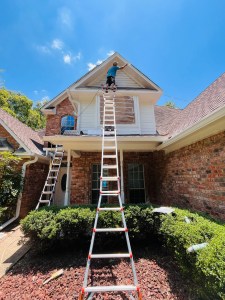
Painted brick has surged in popularity across East Texas over the past several years, transforming the look of homes throughout Tyler, Lindale, Whitehouse, Bullard, and the surrounding communities with a clean, updated aesthetic that turns dated red or brown brick facades into modern, cohesive exteriors. The appeal is obvious — a professionally painted brick home can look absolutely stunning, and it’s significantly less expensive than replacing brick with new siding or stone veneer. But here’s what many homeowners don’t fully appreciate before committing: painting brick is essentially a permanent decision that fundamentally changes how your home’s exterior functions, how it manages moisture, and what your long-term maintenance obligations will look like for as long as you own the property. We’re not here to talk you out of painting your brick — we’ve done beautiful brick painting projects across Smith County and beyond — but we believe every homeowner deserves to understand exactly what they’re signing up for before the first roller touches the masonry.
Why Painting Brick Is a One-Way Door
Unlike painted wood siding or stucco, which can be stripped and restored with reasonable effort, painted brick is practically irreversible. The porous surface absorbs paint deep into its cellular structure, and once those pores are filled, no chemical stripper or pressure washer will return the brick to its original appearance without visible damage or permanent discoloration. Sandblasting can technically strip paint but damages the fired outer surface that gives brick its weather resistance, leaving a rougher, more absorbent substrate that weathers faster than it would with the paint left in place. This means your decision isn’t really about whether you like the look today — it’s about maintaining a painted brick exterior indefinitely. Every future owner inherits this commitment, which is worth considering if resale factors into your thinking. Some buyers love painted brick. Others avoid it because they understand the obligation.
How East Texas Climate Complicates Painted Brick
Brick was engineered over centuries to manage moisture through vapor permeability — it absorbs rainwater and ground moisture, holds it temporarily, and releases it through evaporation as conditions dry. This breathability is why unpainted brick homes throughout Tyler’s older neighborhoods have stood for decades with minimal upkeep beyond occasional mortar repair. Paint disrupts this cycle by sealing the brick surface, reducing its ability to release absorbed moisture outward. In drier climates, this causes minor issues. In East Texas — where annual rainfall averages forty-five to fifty inches, summer humidity sustains above seventy percent, and clay-heavy soils hold moisture against foundations — restricting brick’s natural vapor release creates conditions for trapped moisture causing real damage. Water entering through mortar joints or foundation contact that can no longer evaporate through the painted face gets pushed deeper into the wall, potentially causing efflorescence behind the paint, accelerated mortar deterioration, and in severe cases freeze-thaw spalling during hard winter events.
The Mortar Question Most Painters Never Mention
Before any brick surface gets painted, the condition of the mortar joints throughout the entire facade needs thorough evaluation and repair — and this step separates professional brick painting from the kind that fails within three years. Mortar joints are the primary entry points for moisture in any brick wall system, and deteriorated, cracked, or recessed joints allow water to penetrate deep into the assembly where paint then traps it against materials never designed for sustained saturation. The repair process, called repointing or tuckpointing, involves removing damaged mortar to a proper depth and replacing it with fresh mortar matched to the original composition. This isn’t cosmetic — it’s structural moisture management that directly determines how your painted brick performs over time. In East Texas specifically, we see significant mortar deterioration on homes built during the housing booms of the 1970s through 1990s, when many builders used mortar mixes that have proven less durable than the brick they were bonding. Painting over compromised mortar doesn’t hide the problem; it accelerates it by sealing moisture behind a film that prevents the visual warning signs — white efflorescence deposits, darkened wet spots, crumbling joint edges — that would otherwise alert homeowners to developing water intrusion. Any painting contractor who quotes your brick job without first inspecting and addressing mortar condition is setting up a failure you’ll pay to fix later.
Choosing the Right Product for East Texas Brick
Product selection for brick painting involves fundamentally different criteria than choosing paint for wood, fiber cement, or any other exterior surface, and the distinction centers entirely on vapor permeability. Conventional exterior latex paint — even premium products that perform beautifully on wood siding — creates a relatively impermeable film that restricts the moisture exchange brick depends on. Mineral-based masonry paints, specifically limewash and silicate-based coatings, represent the most brick-compatible option because they chemically bond to the mineral substrate rather than forming a film on top of it, maintaining substantial vapor permeability while providing color and protection. Limewash in particular has experienced a surge in popularity for East Texas brick homes, offering a distinctive, slightly textured matte appearance that develops beautiful patina over time and can be refreshed with new coats without the buildup issues that plague conventional paint on brick. For homeowners wanting a more uniform, opaque finish than limewash provides, elastomeric masonry coatings offer a compromise — they create a flexible, breathable film specifically engineered for masonry substrates that accommodates thermal expansion better than standard latex while maintaining higher vapor transmission rates. The one product category to avoid entirely on East Texas brick is any oil-based or alkyd coating, which creates the most impermeable film and virtually guarantees moisture entrapment in our high-rainfall, high-humidity environment.
Surface Preparation That Actually Protects Your Investment
The preparation required before painting brick exceeds what most homeowners expect. The surface must be thoroughly pressure washed at appropriate PSI to remove dirt, biological growth, efflorescence deposits, and contaminants that prevent adhesion — without damaging the brick face or blasting mortar from joints. After cleaning, the brick needs adequate drying time, and in East Texas humidity this means significantly longer than the twenty-four hours many product labels suggest. Moisture meters should read below twelve percent before any coating is applied, and achieving that after pressure washing during humid months can require three to five days depending on porosity and sun exposure. Applying paint over brick containing elevated moisture is the single most common cause of early failure in our region — trapped moisture pushes outward against the fresh film, producing blistering and peeling that can appear within weeks and require complete removal of affected areas.
Color Selection Carries Different Consequences on Brick
Choosing a paint color for brick involves considerations unique to masonry, primarily because correcting a color you don’t like involves substantially more effort than repainting wood siding. Lighter colors generally perform better on East Texas brick for practical reasons beyond aesthetics. White and light neutrals reflect solar radiation, reducing the thermal cycling stress that causes films to expand and contract against rigid masonry. Darker colors absorb significantly more heat, driving surface temperatures on south- and west-facing walls to extremes that accelerate degradation and amplify the expansion differential between flexible paint and rigid brick — producing cracking and adhesion failure faster in intense Texas sun. Light colors also make future maintenance and touch-ups considerably easier than dark shades that show coverage inconsistencies.
What the Realistic Maintenance Schedule Looks Like
Unpainted brick in good condition essentially maintains itself indefinitely, requiring only occasional mortar repair and cleaning. Once painted, your exterior enters a maintenance cycle homeowners should understand before committing. Conventional latex on brick in East Texas typically needs recoating every five to seven years because moisture cycling and UV exposure degrade films on porous masonry faster than on smoother substrates. Each cycle requires cleaning, inspection for moisture damage beneath existing paint, spot priming, and full finish coat reapplication. Limewash requires refreshing roughly every three to five years, but the process is simpler since new limewash bonds directly to existing limewash without scraping and priming. Over a twenty-year period, a painted brick home requires three to four full repaint cycles that an unpainted brick home avoids entirely — a cumulative cost to factor alongside the aesthetic transformation.
Making an Informed Decision You’ll Live With
Painting your brick home can genuinely transform its appearance and bring a dated exterior into the modern aesthetic many East Texas homeowners want. The key is going in with realistic expectations about permanence, maintenance, and the critical importance of doing the job correctly the first time with products and preparation matched to our regional climate rather than treating it like a standard exterior repaint.
At Quality Coats Painting in Tyler Texas, we walk every client through these considerations honestly before we ever open a can of paint, because we’d rather earn your trust with transparency than your business with omission. If you’re considering painting the brick on your Tyler, Lindale, Whitehouse, or Bullard home, we’ll evaluate your mortar condition, recommend the right product system for East Texas conditions, and deliver the meticulous preparation and application that gives your investment the best possible chance of looking beautiful and performing well for years to come. Contact Quality Coats Painting today or request your free estimate online — let’s make sure your painted brick is something you love today and won’t regret tomorrow.