If you live in Tyler or anywhere in Smith County, you’ve probably dealt with at least one room in your home that feels cramped or confined. Whether it’s a cozy bedroom, a narrow hallway, or a compact bathroom, small spaces present design challenges that the right paint color can dramatically improve. Understanding how color, light, and perception interact helps you transform confined spaces into rooms that feel open, airy, and inviting—all without knocking down a single wall.
The Science Behind Color and Perceived Space
Color affects our perception of space through both psychological and optical mechanisms that interior designers have understood for decades. Light colors reflect more light than dark colors, which makes walls appear to recede rather than advance toward you. When walls seem to push back, the room feels larger than its actual square footage. Dark colors absorb light, making surfaces appear closer and more prominent, which can make small rooms feel even more confined. Beyond simple light and dark, color temperature plays a crucial role: cool colors (blues, greens, soft grays) recede more than warm colors (reds, oranges, yellows), making them superior choices for expanding perceived space. Additionally, using similar tones throughout a small room eliminates visual breaks that make spaces feel chopped up and smaller. Understanding these principles allows you to strategically use paint to manipulate how large your Tyler home’s rooms appear.
Classic White: The Timeless Space Expander
White remains the most reliable choice for making small rooms feel larger, and for good reason. Pure white reflects maximum light, bouncing natural sunlight and artificial lighting around the room to create brightness that opens up space. White walls eliminate visual boundaries, allowing the eye to travel continuously without interruption, which makes rooms feel more expansive. In Tyler homes with good natural light from windows, white amplifies that sunshine beautifully. However, not all whites work equally well—stark, cool whites can feel sterile and institutional, while warmer whites (with subtle cream or beige undertones) create inviting spaces that still deliver space-expanding benefits. For small bedrooms, bathrooms, or home offices, white provides a blank canvas that makes the room feel larger while allowing your furniture and décor to provide personality and color. The key is choosing the right white for your space and ensuring adequate lighting so the white doesn’t appear dull or dingy.
Soft Grays: Modern Space Enhancement
Gray has become enormously popular in recent years, and soft, light grays offer excellent space-expanding properties for Tyler homes. Unlike white, which some homeowners find too stark or cold, gray provides subtle sophistication while still reflecting significant light. The key is choosing grays with enough white content to keep them light and airy—deep charcoals or medium grays will shrink spaces rather than expand them. Cool grays with blue or green undertones work particularly well for making rooms feel larger, as the cool color temperature adds to the receding effect. In small living rooms, bedrooms, or dining areas, pale gray creates a modern, elegant atmosphere without the starkness of white. Many Tyler homeowners appreciate how light gray provides enough color to feel intentional and designed while avoiding the maintenance concerns of pure white walls that show every scuff and mark.
Pale Blue: The Illusion of Distance
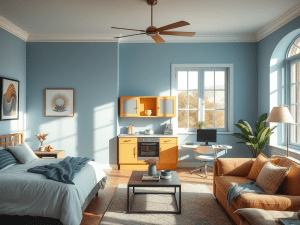
Pale, soft blues rank among the most effective colors for expanding perceived space, particularly in rooms without abundant natural light. Blue’s cool temperature makes it naturally recede, creating the optical illusion that walls are farther away than they actually are. Light, airy blues reminiscent of sky or water make small bedrooms feel serene and spacious, creating restful environments despite limited square footage. In small bathrooms—a common challenge in Tyler homes—pale blue provides both space expansion and appropriate moisture-resistant color choice when painted in satin finish. The psychological associations with sky and openness reinforce the physical optical effects, making blue a powerful tool for combating cramped feelings. Avoid saturated or navy blues in small spaces, as these darker shades will have the opposite effect, making rooms feel smaller and more confined.
Soft Greens: Nature-Inspired Expansion
Like blue, green benefits from cool color temperature that makes walls recede, but green offers warmer, more organic character. Pale sage, mint, seafoam, and other light greens create peaceful, nature-connected spaces that feel open and breathable. In Tyler homes with views of trees or gardens, soft green interior walls create visual continuity between indoor and outdoor spaces, psychologically extending the room beyond its physical walls. Small home offices benefit particularly from soft green, as the color promotes calm focus while making the workspace feel less confining. The key with green is keeping it pale and slightly grayed—bright, saturated greens or deep forest greens will close in space rather than open it up. Soft greens pair beautifully with white trim, creating definition without the harsh contrast that can make small rooms feel choppy.
Monochromatic Schemes: Eliminating Visual Breaks
One of the most effective strategies for making small rooms feel larger involves eliminating color contrast that creates visual breaks. When walls, trim, and ceiling are painted the same color (or very similar tones), the eye travels continuously without interruption, making the space feel more expansive. This monochromatic approach works particularly well in small bathrooms, closets, or powder rooms where trim and architectural details would otherwise chop up limited wall space. Many Tyler homeowners resist painting trim the same color as walls, having grown up with white trim throughout their homes. However, in genuinely small spaces, the visual expansion achieved by monochromatic color schemes outweighs traditional trim conventions. This technique works with whites, grays, blues, greens, or any light color—the key is maintaining tonal consistency to avoid the visual stopping points that make spaces feel smaller.
The Ceiling Factor: Fifth Wall Strategy
Most people focus on wall color when trying to make rooms feel larger, but ceiling color significantly impacts perceived height and spaciousness. The traditional approach of painting ceilings white while using color on walls creates a visible boundary that can make low ceilings feel even lower. In small rooms with standard 8-foot ceilings common in many Tyler homes, painting the ceiling the same light color as the walls eliminates this boundary, allowing the eye to travel upward without interruption. This technique makes ceilings appear higher and rooms feel more voluminous. Alternatively, painting ceilings an even lighter tint of the wall color (or pure white if walls are light gray or blue) maintains some subtle definition while still creating vertical expansion. For rooms with very low ceilings or challenging proportions, extending wall color onto the ceiling is one of the most effective visual tricks available.
What About Dark Colors in Small Spaces?
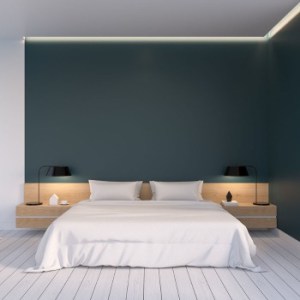
Everything discussed so far assumes you want light, space-expanding colors in small rooms. However, some designers advocate for an alternative approach: embracing small rooms with rich, dark colors that make the space feel cozy and jewel-box-like rather than cramped. This strategy works when executed thoughtfully, but it requires accepting that the room will feel intimate rather than spacious. Dark colors in small rooms can create dramatic, sophisticated atmospheres—a small powder room in deep navy or charcoal can feel luxurious rather than confined. The success of this approach depends on adequate lighting, as dark colors need strong light to avoid feeling cave-like. For Tyler homeowners with small rooms they want to celebrate rather than visually expand, dark colors become a valid option. However, if your goal is making a room feel as large as possible, stick with light, cool, reflective colors rather than taking the dark, cozy approach.
Color Intensity and Saturation Considerations
Beyond the basic hue (blue, green, gray, etc.), color intensity and saturation dramatically affect how spacious rooms feel. Highly saturated colors—even light ones—advance toward the eye more than soft, grayed versions of the same hue. A bright, vivid yellow feels more enclosed than a soft, muted butter yellow, even though both are technically light colors. For maximum space expansion in Tyler homes’ small rooms, choose colors with lower saturation—those that appear slightly grayed or muted rather than pure and vivid. Paint manufacturers often label these as “soft,” “muted,” “dusty,” or “greige” versions of colors. These subtle, sophisticated tones provide color interest while maintaining the light-reflective and receding qualities necessary for visual space expansion. The difference can be dramatic: a small bedroom in vivid aqua feels energetic but confined, while the same room in soft, grayed aqua feels serene and spacious.
Natural Light Considerations in Tyler Homes
The amount and quality of natural light your small room receives should influence color selection. North-facing rooms in Tyler receive cooler, less intense light throughout the day and can handle slightly warmer paint colors without feeling cramped—soft creams or warm grays work well. South-facing rooms receive abundant warm light, making cool colors like soft blues and grays ideal for maintaining freshness and preventing the space from feeling too warm. East-facing rooms get bright morning light but dimmer conditions in afternoon and evening, while west-facing rooms experience the opposite pattern. For small rooms without windows, maximizing artificial lighting becomes crucial, and the lightest possible paint colors work best—pure white or palest gray reflect the most light in windowless spaces. Understanding your room’s light exposure helps you select colors that work with, rather than against, available light to create maximum spacious feeling.
Finish Selection for Small Spaces
Paint sheen affects perceived space almost as much as color selection, yet many homeowners overlook this consideration. Flat paint absorbs light, while higher sheens reflect it—and reflected light makes spaces feel larger and brighter. For small rooms, eggshell or satin finishes provide better light reflection than flat paint, contributing to space expansion. However, higher sheens also reveal wall imperfections more readily, so proper surface preparation becomes crucial. In small bedrooms or living areas with good wall condition, eggshell offers subtle sheen that enhances light without obvious shine. For small bathrooms where moisture resistance matters, satin finish provides both the necessary durability and beneficial light reflection. The slight sheen catches and bounces light around the room, making the space feel brighter and more open than the same color in flat finish would achieve.
Testing Colors in Your Specific Space
Reading about color theory helps, but nothing replaces testing actual paint colors in your specific room under your specific lighting conditions. Tyler’s abundant Texas sunshine creates different lighting effects than homes in cloudier climates experience, and your home’s orientation affects how colors appear throughout the day. Purchase sample-size paint containers of colors you’re considering and paint large swatches (at least 2′ x 2′) on different walls in the room. Observe these samples at different times of day—morning, midday, and evening—and under both natural and artificial lighting. Colors that appear perfect in afternoon sunlight might feel completely different in evening lamplight. This testing process prevents expensive mistakes and ensures your final color choice delivers the space-expanding effect you’re seeking. The small investment in sample paints saves the significant expense and hassle of repainting when a color doesn’t work as expected.
Professional Color Consultation Benefits
Choosing paint colors that make small rooms feel larger involves more complexity than simply picking “light blue” or “soft gray.” Understanding undertones, coordinating with existing flooring and fixed elements, and balancing personal preference with spatial psychology requires experience and expertise. Professional painters who’ve worked in hundreds of Tyler homes understand which colors perform well in our regional light conditions and can guide you toward choices that achieve your goals.
At Quality Coats Painting, we help Smith County homeowners select colors that transform their spaces every day. We understand how different paint colors interact with Texas light, work with your home’s existing features, and create the visual effects you’re seeking. Our team provides honest guidance based on years of experience seeing which color choices deliver beautiful, spacious-feeling results and which ones disappoint homeowners. Beyond color selection, our meticulous preparation and application ensure your paint job looks flawless—important when using light colors that reveal every imperfection.
Stop living in spaces that feel cramped and confined when strategic paint color selection can transform how your rooms feel. Contact Quality Coats Painting today to schedule your free consultation and color guidance session. We’ll assess your small rooms, discuss your goals and preferences, and recommend specific colors that will make your spaces feel as open and inviting as possible. From initial color selection through final application, we deliver the expertise and craftsmanship that ensures your small rooms achieve their maximum potential. Call us now and let’s create the spacious, beautiful home you deserve.